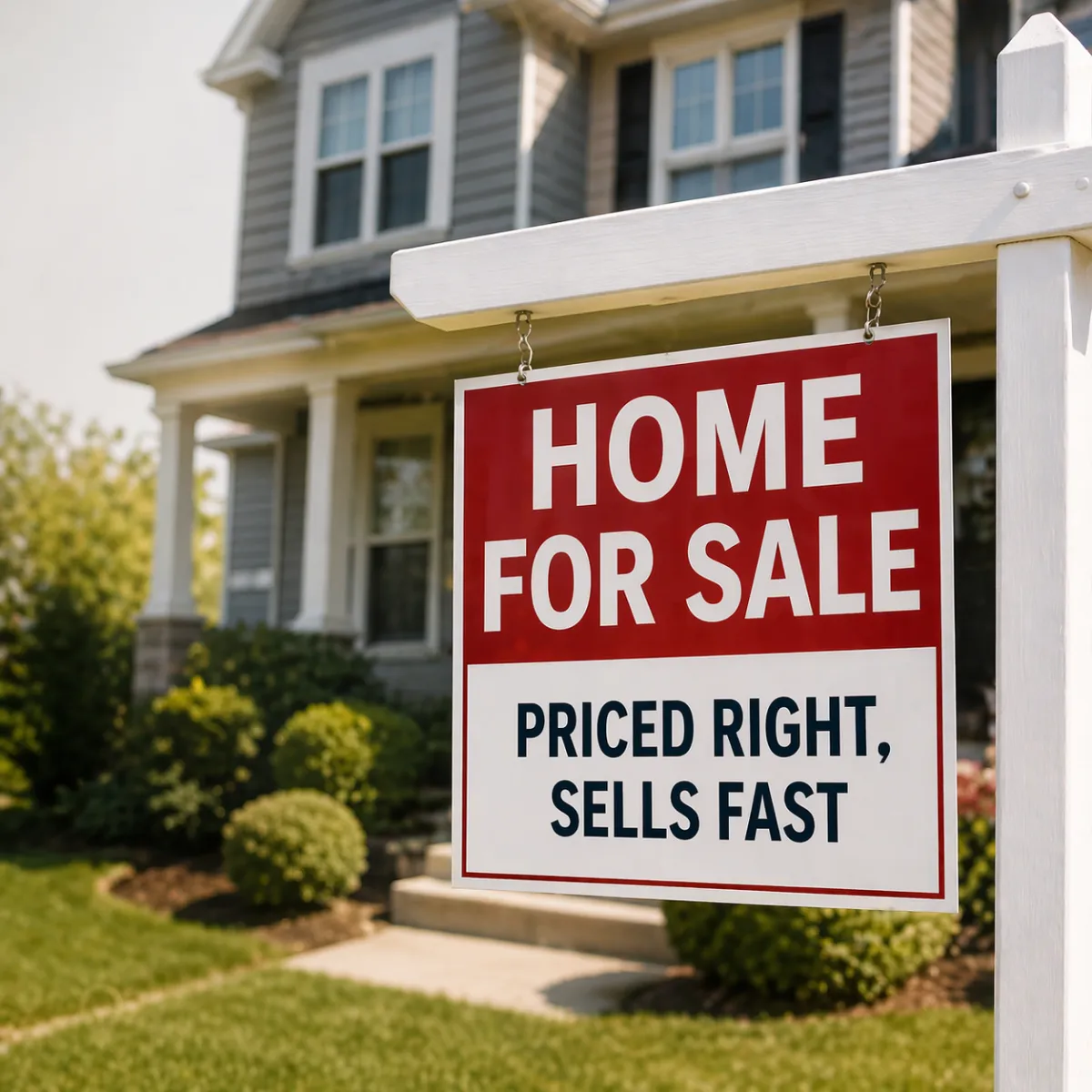
The 3 Biggest Mistakes Sellers Make When Pricing Their Home
You’ve probably seen it happen.
A beautiful, move-in ready home hits the market… and just sits there. Weeks go by. Then months. Price drops start showing up.
And everyone starts wondering: What’s wrong with it?
Most of the time, the answer isn’t the home.
It’s the price.
Pricing your home isn’t just picking a number and hoping for the best it’s a strategy. And the sellers who understand that are the ones who sell faster, with less stress, and often for more money.
Let’s break down the three biggest pricing mistakes sellers make and how you can avoid them.
1. Pricing Based on Emotional Value
This is by far the most common mistake.
You’ve lived in your home. You’ve celebrated milestones there. You’ve invested in upgrades, renovations, and improvements. Of course it feels more valuable to you.
But here’s the hard truth:
Buyers aren’t buying your memories.
They’re comparing your home to every other option on the market. They’re looking at:
Square footage
Condition
Location
Recent comparable sales
Even if you’ve poured your heart (and money) into your home, that emotional value doesn’t translate into market value.
And when a home is priced too high, buyers notice immediatelyn and move on.
Worse, the longer it sits, the more suspicion it creates. People start asking, “Why hasn’t this sold?”
What to do instead:
Price based on data, not emotion. A strong pricing strategy is grounded in recent comparable sales and current buyer behavior not personal attachment.
2. Ignoring Market Timing and Current Competition
The real estate market is constantly changing.
What your neighbor sold for six months ago or even last year might not apply today.
Yet many sellers price their homes based on:
A neighbor’s past sale
Stories of bidding wars from years ago
Expectations from a different market cycle
Here’s the reality:
Your true competition isn’t what sold in the past - it’s what’s for sale right now.
Buyers are actively comparing your home to other listings they can see today. If your home doesn’t stack up in value, they’ll simply choose something else.
Factors like inventory levels, interest rates, and buyer demand all shift over time and they directly impact what buyers are willing to pay.
What to do instead:
Study the current market, not just past sales. Look closely at active listings in your area those are the homes you’re competing against in real time.
3. Missing the Power of the First Two Weeks
This one catches a lot of sellers off guard.
The moment your home hits the market, it gets the most attention it will ever receive.
Why?
Because serious buyers are already out there watching, waiting, and ready to act. They’ve set up alerts and get notified the second a new listing appears.
That first wave of attention is your best opportunity.
But if your home is overpriced, those buyers scroll right past it… and they usually don’t come back.
Once those first couple of weeks are gone, your listing loses momentum. At that point:
Interest drops
Price reductions become necessary
Buyers gain negotiating power
Instead of creating excitement, you’re now trying to recover lost ground.
What to do instead:
Price your home correctly from day one. A well-priced home can create urgency, attract multiple buyers, and even lead to stronger offers early on.
Pricing Is a Strategy, Not a Guess
At the end of the day, pricing your home isn’t about what you hope to get.
It’s about what the market will support right now, based on real competition and real buyer behavior.
Get that part right, and everything else becomes easier:
More interest
More showings
Stronger offers
Faster sale
Thinking About Selling?
If you’re considering selling your home and want to understand what a smart pricing strategy looks like in today’s market, it’s worth having a conversation early.
A few minutes of clarity upfront can save you weeks or even months of frustration later.
👉 Download my free PDF guide to learn exactly how to price your home right, attract serious buyers, and sell with confidence.